A library of timepieces, materials and makers. Start with a subject below, or explore the latest published object studies. Each catalogue entry identifies its museum source and distinguishes documented information from questions that still require examination.
How to use an object study
Read the date and attribution as a pair: an approximate date is not an exact year, and a named maker may refer to one part of a timepiece. Follow the source to its full record before using a comparison to identify your own object. These pages are references, not certificates of authenticity or valuations.
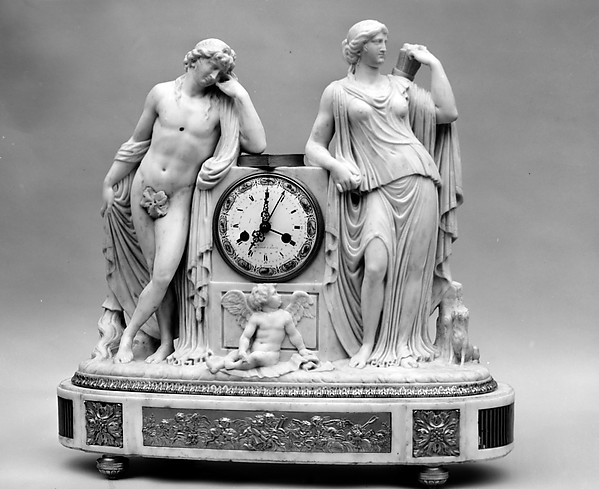
Clock — Clockmaker: Drouot · first quarter 19th century
Study Met object 41.190.61, dated first quarter 19th century: its recorded materials, maker attribution and dimensions, with source photographs and.
Read the entry →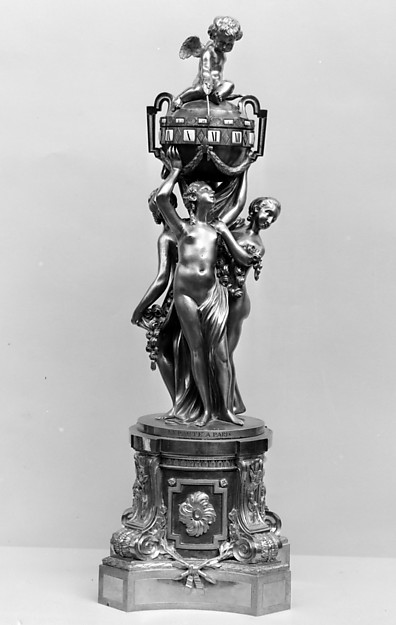
Clock — Clockmaker: Jean-André Lepaute · 1770–80
Study Met object 41.41, dated 1770–80: its recorded materials, maker attribution and dimensions, with source photographs and comparison notes.
Read the entry →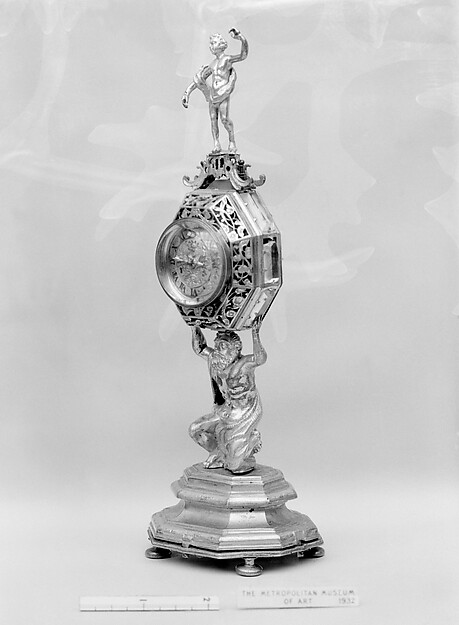
Clock — Clockmaker: Martin Zoller · late 16th–early 17th century
Study Met object 32.100.225, dated late 16th–early 17th century: its recorded materials, maker attribution and dimensions, with source photographs and.
Read the entry →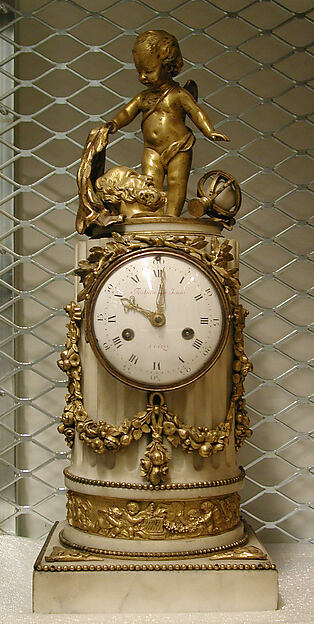
Clock — Met 30.58.14 · ca. 1770–90
Study Met object 30.58.14, dated ca. 1770–90: its recorded materials, maker attribution and dimensions, with source photographs and comparison notes.
Read the entry →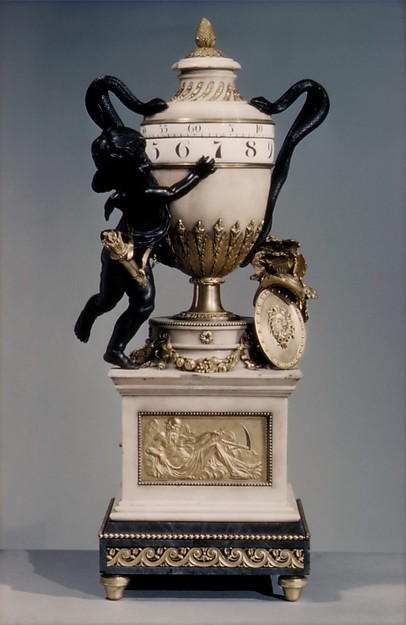
Clock — Met 29.180.4 · ca. 1775–80
Study Met object 29.180.4, dated ca. 1775–80: its recorded materials, maker attribution and dimensions, with source photographs and comparison notes.
Read the entry →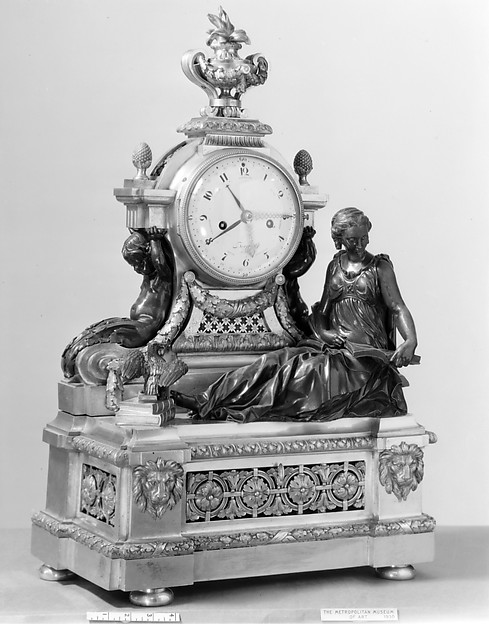
Clock — Met 29.180.3 · ca. 1765
Study Met object 29.180.3, dated ca. 1765: its recorded materials, maker attribution and dimensions, with source photographs and comparison notes.
Read the entry →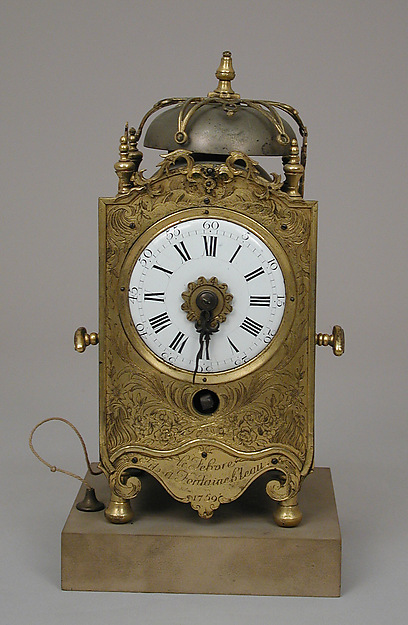
Clock — Clockmaker: Le Febvre, Fils · 18th century
Study Met object 29.52.17, dated 18th century: its recorded materials, maker attribution and dimensions, with source photographs and comparison notes.
Read the entry →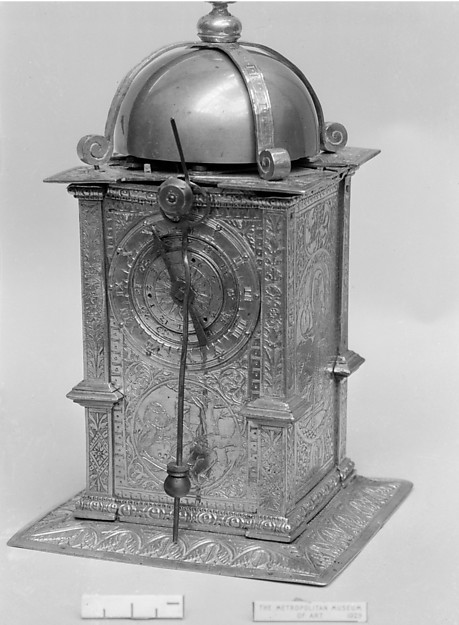
Clock — Maker not recorded · late 16th century
Study Met object 29.52.16, dated late 16th century: its recorded materials, maker attribution and dimensions, with source photographs and comparison notes.
Read the entry →Vintage Seiko: use the timeline without guessing a date
Use Seiko’s documented history to research vintage watches, distinguish model milestones from production dates, and prepare an evidence file for expert review.
Read the entry →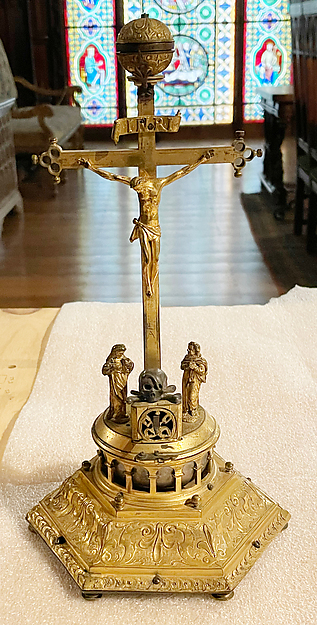
Clock — Maker not recorded · early 17th century
Study Met object 29.52.12, dated early 17th century: its recorded materials, maker attribution and dimensions, with source photographs and comparison notes.
Read the entry →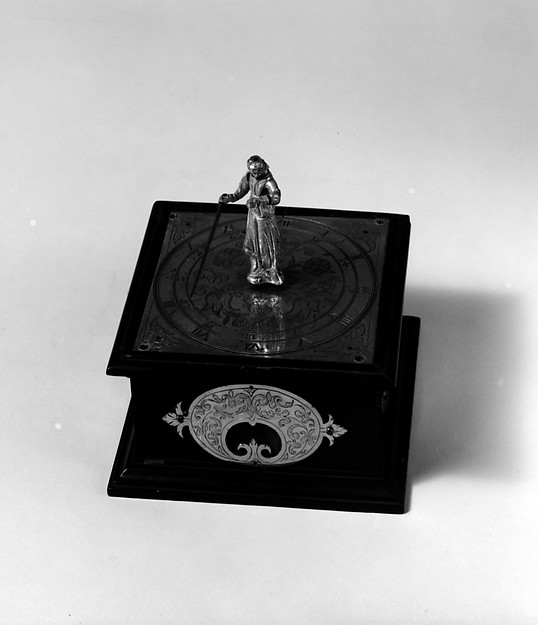
Clock — Maker not recorded · probably second quarter 17th century, with later additions
Study Met object 29.52.11, dated probably second quarter 17th century, with later additions: its recorded materials, maker attribution and dimensions, with.
Read the entry →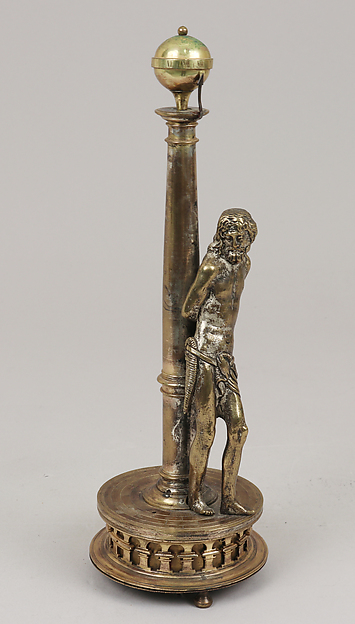
Clock — Maker not recorded · 17th century
Study Met object 29.52.9, dated 17th century: its recorded materials, maker attribution and dimensions, with source photographs and comparison notes.
Read the entry →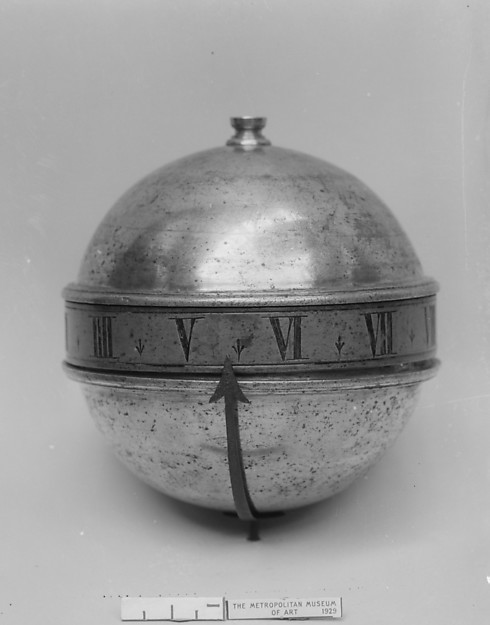
Clock — Maker not recorded · late 17th century
Study Met object 29.52.3, dated late 17th century: its recorded materials, maker attribution and dimensions, with source photographs and comparison notes.
Read the entry →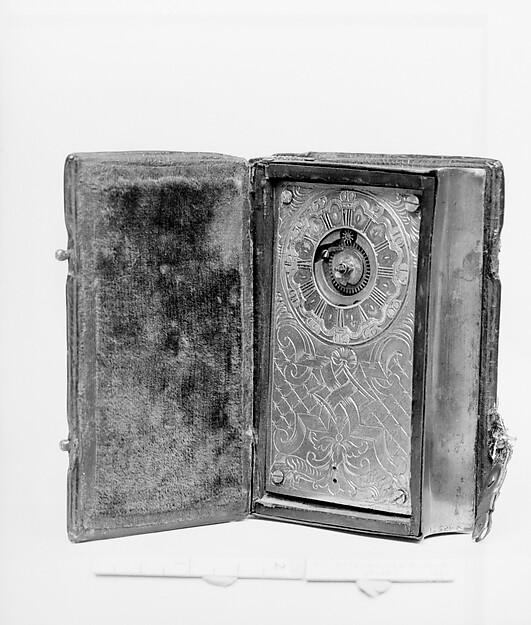
Clock — Clockmaker: Joh Georg Wagner · late 17th century
Study Met object 29.52.1, dated late 17th century: its recorded materials, maker attribution and dimensions, with source photographs and comparison notes.
Read the entry →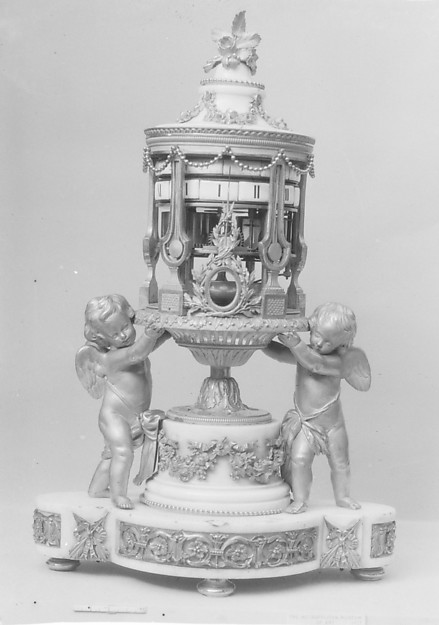
Clock — Maker not recorded · ca. 1785–90
Study Met object 26.260.37, dated ca. 1785–90: its recorded materials, maker attribution and dimensions, with source photographs and comparison notes.
Read the entry →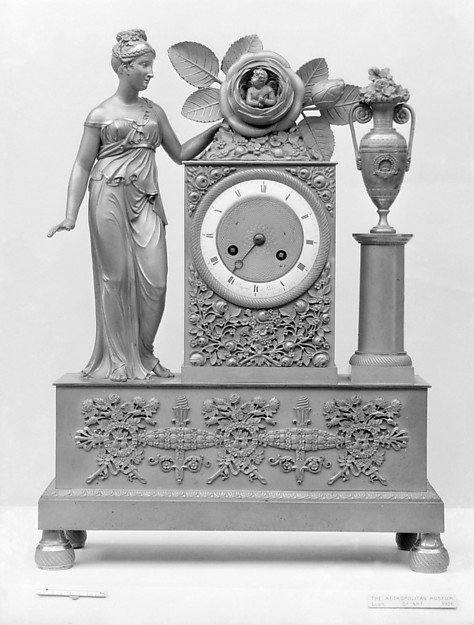
Clock — Clockmaker: Chapsal l’ainé · ca. 1815–30
Study Met object 26.223.5, dated ca. 1815–30: its recorded materials, maker attribution and dimensions, with source photographs and comparison notes.
Read the entry →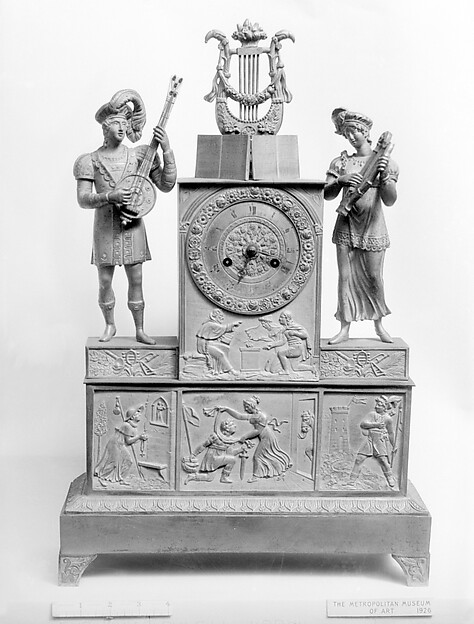
Clock — Maker not recorded · ca. 1825–30
Study Met object 26.167.2, dated ca. 1825–30: its recorded materials, maker attribution and dimensions, with source photographs and comparison notes.
Read the entry →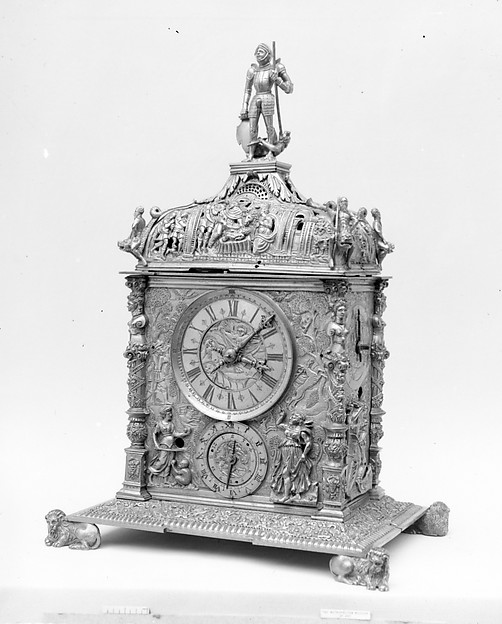
Clock — Maker not recorded · Met 17.190.640
Study Met object 17.190.640, dated case: 16th and 19th century; movement: 16th century with 17th and 19th century additions: its recorded materials, maker.
Read the entry →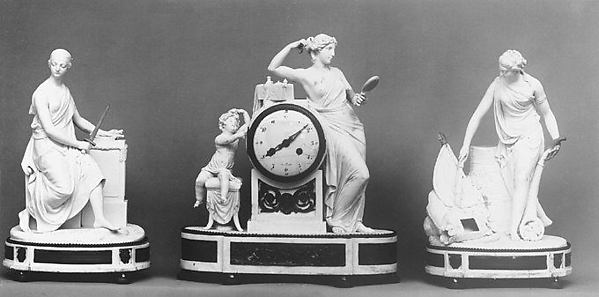
Clock — Rue de Bondy · 18th century
Study Met object 12.188.3a, dated 18th century: its recorded materials, maker attribution and dimensions, with source photographs and comparison notes.
Read the entry →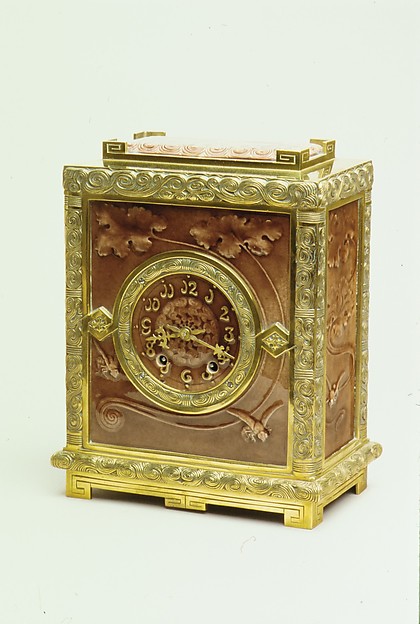
Clock — J. and J. G. Low Art Tile Works · ca. 1882–85
Study Met object 1993.514, dated ca. 1882–85: its recorded materials, maker attribution and dimensions, with source photographs and comparison notes.
Read the entry →
Clock — Simon Willard · 1825–30
Study Met object 1991.185, dated 1825–30: its recorded materials, maker attribution and dimensions, with source photographs and comparison notes.
Read the entry →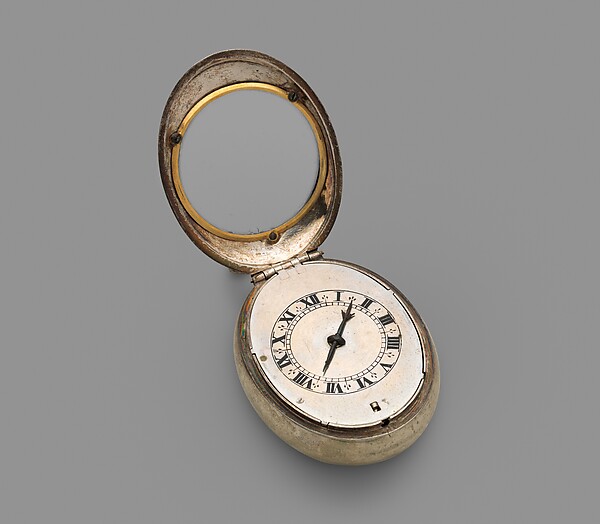
Watch — Watchmaker: Edward East · ca. 1640
Study Met object 17.190.1468a, b, dated ca. 1640: its recorded materials, maker attribution and dimensions, with source photographs and comparison notes.
Read the entry →Vintage Omega Constellation: start with the reference
Research a vintage Omega Constellation using its reference, movement and condition evidence, with an Omega Museum example and questions for a watchmaker.
Read the entry →
Clock with pedestal — Met 58.53a–c · ca. 1690
Study Met object 58.53a–c, dated ca. 1690: its recorded materials, maker attribution and dimensions, with source photographs and comparison notes.
Read the entry →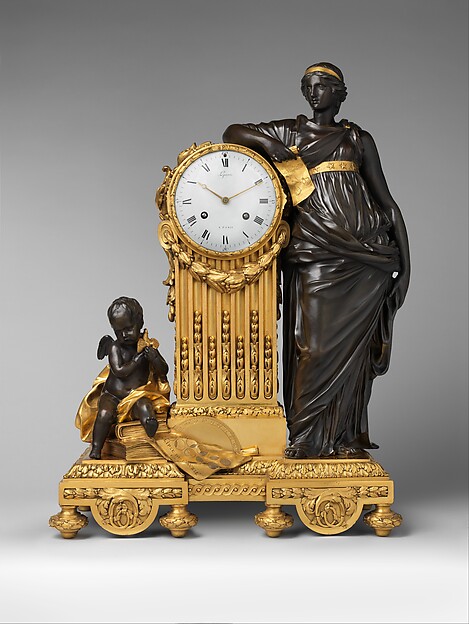
Mantel clock — Clockmaker: Jean-André Lepaute · ca. 1764–70
Study Met object 29.180.2, dated ca. 1764–70: its recorded materials, maker attribution and dimensions, with source photographs and comparison notes.
Read the entry →Browse older entries by subject using the links above.